Foldable 3-Shelf Service Cart: Lockable Wheels, Heavy Loads
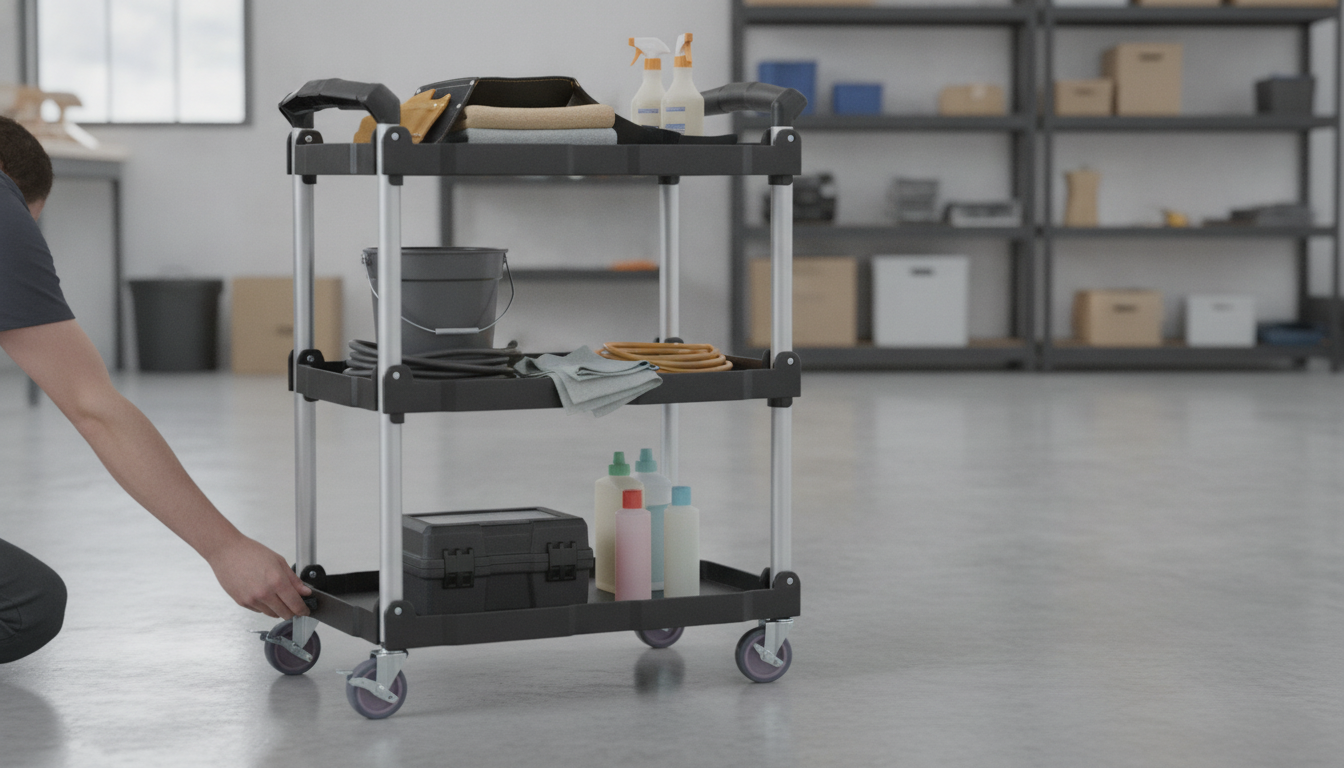
Foldable 3-Shelf Utility Service Cart with Lockable Wheels for Heavy Loads
A foldable service cart can streamline busy work areas by keeping supplies organized, moving loads smoothly, and folding away when space is tight. The best results come from paying attention to shelf layout, wheel stability, load handling, and simple upkeep so the cart stays reliable in demanding environments.
What This Type of Cart Is Built For
A foldable 3-shelf utility service cart is designed for fast-paced, hands-on work where items need to move between stations without getting mixed together. Instead of juggling boxes, tools, and parts in multiple trips, the cart turns material handling into a single controlled run.
- Designed to move bulky or dense items between stations while keeping them separated across multiple shelves
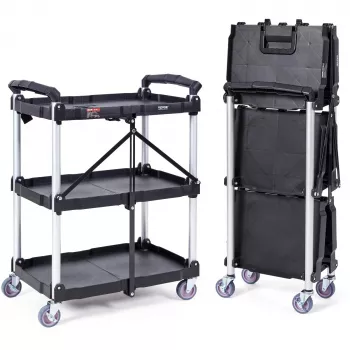
- Foldable frame supports quick storage in closets, vehicles, or back-of-house corners when not in use
- Lockable wheels help keep the cart planted during loading, unloading, or while parked on slight slopes
- Three-shelf layout supports “grab-and-go” workflows: tools on one level, parts on another, and paperwork or smaller items on the top
In workplaces where foot traffic and tight aisles are common, a cart that can be parked, locked, and staged reduces interruptions and helps keep pathways clearer.
Key Features That Matter in Daily Use
Two carts can look similar but behave very differently once they’re loaded. The most useful features are the ones you feel every day: how steady the frame feels, how the casters track over seams, and whether items stay put when you cross thresholds.
- Shelf design and lip/edge: helps prevent items from sliding off when rolling over thresholds or uneven flooring
- Frame rigidity: reduces wobble under heavier loads and keeps shelves aligned
- Wheel size and material: larger casters typically roll easier over seams; softer treads can reduce vibration and floor marks
- Wheel locks: helpful for steady loading and for keeping the cart from drifting in busy areas
- Handle placement: supports pushing with a neutral wrist posture and better control through turns
Quick Feature Checklist
| Feature | Why it helps | What to look for |
|---|---|---|
| Three shelves | Separates tools, parts, and supplies | Spacing that fits common bins, cases, or shop supplies |
| Foldable frame | Saves storage space between tasks | Simple fold/unfold steps and secure locking when opened |
| Lockable wheels | Stability during loading/unloading | Locks that are easy to engage with shoes or by hand |
| Heavy-load readiness | Improves reliability in demanding workflows | Sturdy frame, stable caster mounting, and balanced shelf support |
| Easy-clean surfaces | Faster cleanup after spills and dust | Smooth shelf surfaces and accessible corners |
For safety and efficiency, it also helps to follow recognized guidance on material handling and ergonomics from authoritative sources like OSHA and NIOSH, especially if carts are used all day across multiple shifts.
Best-Fit Workspaces and Common Use Cases
This style of cart tends to shine anywhere the work is repetitive, the items vary in size, and the staging area changes from hour to hour. Three shelves make it easy to build a routine: heavier items below, frequently used items in the middle, and light/quick-access items on top.
- Garage and workshop: transporting power tools, hardware organizers, fluids, and detailing supplies
- Warehouse and stockroom: moving cartons, replenishment items, labels, and packing supplies
- Maintenance and facilities: carrying mixed loads (fasteners, hand tools, replacement parts) without multiple trips
- Retail backroom: restock runs, returns, and fixture parts with a compact footprint
- Event and hospitality support: moving setup items, cleaning supplies, and service essentials while keeping them staged by shelf
Folding, Storage, and Setup Tips
A foldable cart is only “space-saving” if it’s easy to put away and quick to redeploy. Small habits during setup also reduce wear on hinges, shelf supports, and caster mounts.
- Confirm the cart is empty before folding to avoid pinching hazards and to protect hinges and shelf supports
- Engage wheel locks before loading so the cart does not roll away while items are placed on shelves
- Open fully and confirm the frame is seated/locked before applying weight
- Store folded carts upright or in a designated slot to prevent tip-overs and to protect casters from side impacts
- If transporting in a vehicle, secure the folded cart with straps to keep it from shifting during braking
Handling Heavy Loads Without Instability
“Heavy loads” are manageable when the cart stays predictable: no sudden lean, no steering drift, and no top-heavy sway. The goal is a low center of gravity and even weight distribution so the casters track straight and the shelves stay square.
Wheel Locks, Steering Control, and Floor Conditions
Cleaning, Care, and Long-Term Reliability
Product Option Available Now
- Foldable Utility Service Cart 3 Shelf with Lockable Wheels for Heavy Loads — foldable 3-shelf configuration, lockable wheels, and a space-saving profile for garages, stockrooms, and facilities work.
FAQ
How should heavy items be arranged on a 3-shelf service cart?
Place the densest items on the bottom shelf, balance weight side-to-side, and keep the top shelf for lighter or frequently accessed items. This lowers the center of gravity and helps the cart steer more predictably.
Do lockable wheels prevent rolling on ramps or sloped floors?
Wheel locks help, but performance depends on the slope and surface. Use locks for staging, and take extra precautions on inclines by choosing a safer parking spot or adding chocks when needed.
What maintenance keeps casters rolling smoothly over time?
Remove debris from the wheels, keep caster brackets clean, and periodically check and tighten hardware. Replace damaged or wobbling casters before using the cart for heavy loads.









Leave a comment