3D Wooden Racing Car Puzzle Kit: Build & Display Guide
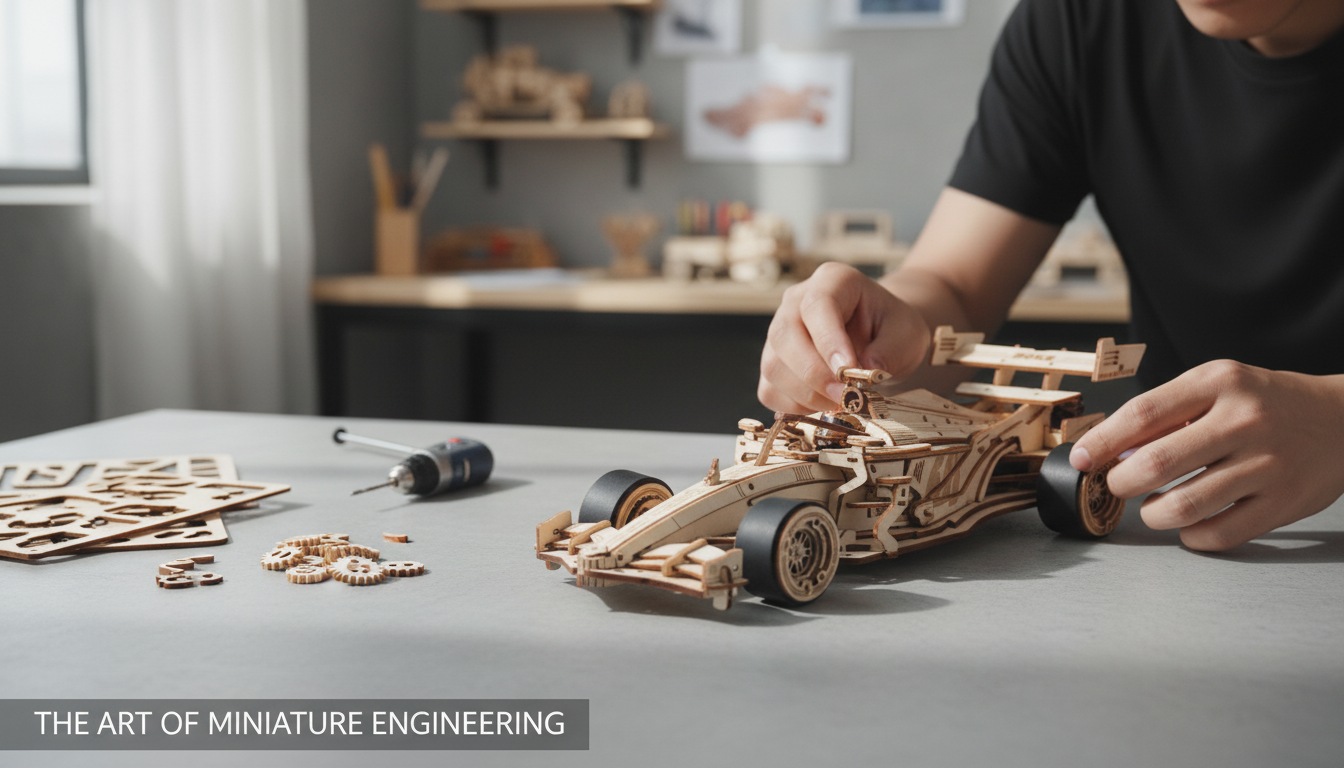
3D Wooden Racing Car Puzzle Kit: Build, Display, and Learn
A 3D wooden racing car puzzle kit blends hands-on building with the satisfaction of a display-worthy model. It’s the kind of project that feels relaxing and challenging at the same time: you sort pieces, follow a visual sequence, and watch a sleek racing-car shape come together—then you get to keep it on a shelf or desk as a finished piece.
What a 3D Wooden Racing Car Puzzle Kit Is
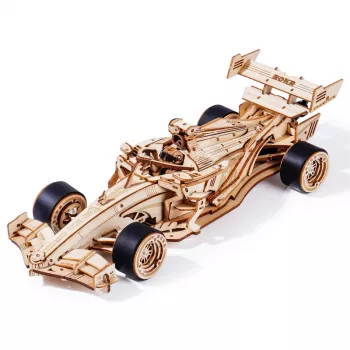
A 3D wooden racing car puzzle kit is a model-building puzzle made from pre-cut wooden parts that slot together to form a racing car design. Most kits rely on interlocking tabs and slots, so they’re commonly assembled without glue, though some builders choose a tiny amount of optional wood glue for extra rigidity. The result is meant to be both an activity and a decorative model you can display long after the build is done.
Many kits include numbered sheets or parts, step-by-step instructions, and small accessory components depending on the design. If you’re building with younger helpers, note that small components can pose a choking hazard—review the CPSC small parts regulations (16 CFR Part 1501) for a practical overview of what “small parts” means for children’s products.
Highlights of the 3D Wooden Racing Car Puzzle Kit
- Display-ready style: A racing car silhouette with a classic mechanical-model look that fits home offices, game rooms, and bookshelves.
- Skill-building without screens: Encourages spatial reasoning, patience, and fine-motor control through steady, step-by-step assembly.
- Gift-friendly: A solid pick for hobbyists, teens, and adults who like building kits and model puzzles.
- Easy to fit into the week: Works well for evenings, weekends, or classroom enrichment where you want a calm, hands-on task.
Quick Specs and Buying Snapshot
Price and availability can change, so confirm the latest details on the product page before ordering. It also helps to consider where you’ll build (table space, lighting) and where you’ll display it (shelf depth and height).
| Item | Details |
|---|---|
| Product | 3D Wooden Racing Car Puzzle Kit |
| Price | $44.67 USD |
| Availability | In stock |
| Best for | Hobby building, gifting, display model |
| Finish | Natural wood (paint or stain optional) |
Assembly Experience: What to Expect
Prep before you press
Start by sorting parts by sheet or number, then read the full instruction flow once. A small dish or tray keeps tiny pieces from disappearing, especially if you pause mid-build.
Helpful tools (optional, but nice)
- Craft knife or sanding stick: Helps ease tight tabs so you don’t force thin wood sections.
- Tweezers: Useful for small components and precise placement.
- Soft cloth or desk mat: Protects both the pieces and your work surface from scratches.
Build technique that reduces breakage
Dry-fit parts first, then press tabs in gradually. If something feels overly tight, stop and lightly sand the edge or slot instead of forcing the connection. Wood is strong, but thin sections can crack under sudden pressure—especially around narrow tabs.
For a deeper look at how wood behaves (including moisture sensitivity and dimensional change), the USDA Forest Service Wood Handbook is a useful reference.
Pacing and finishing
Many builders have the best experience in short sessions. It’s easier to stay accurate, and you’re less likely to miss orientation details. For finishing, you can apply a clear coat, stain, or paint to boost durability and customize the look—thin coats are usually easier to control. If you plan to finish the model, test your chosen product on an inconspicuous area or spare piece first and allow full drying time before handling.
Who It’s Good For (and When It Might Not Be)
- Great for: Puzzle lovers, model builders, racing fans, and anyone who enjoys tactile projects with visible progress.
- Good for gifting: Birthdays, holidays, and “build it together” family activities where the experience matters as much as the final display.
- Consider another option if: Very young children will handle it unsupervised (small parts), or if a quick 10-minute activity is needed.
- Helpful supervision: For kids, an adult can handle tight-fit steps, manage sanding, and keep pieces organized.
Care, Storage, and Display Tips
- Avoid moisture and direct heat: Unfinished wood can warp over time in humid or hot environments.
- Dust gently: Use a soft brush or microfiber cloth; skip wet cleaners on unfinished wood.
- Watch the sun: If you’ll display it near a sunny window, a UV-protective clear coat can help reduce discoloration over time.
- Store smart: For long-term storage, place the model in a rigid box with padding and keep the instructions for quick repairs or partial reassembly.
Common Build Issues and Simple Fixes
Product Option Available Now
If you’re ready to start building, the 3D Wooden Racing Car Puzzle Kit is currently in stock and makes a strong single-project pick for anyone who wants a racing-car themed wooden model to assemble and display.
- Wireless Translation Earbuds for travel, language practice, or commuting.
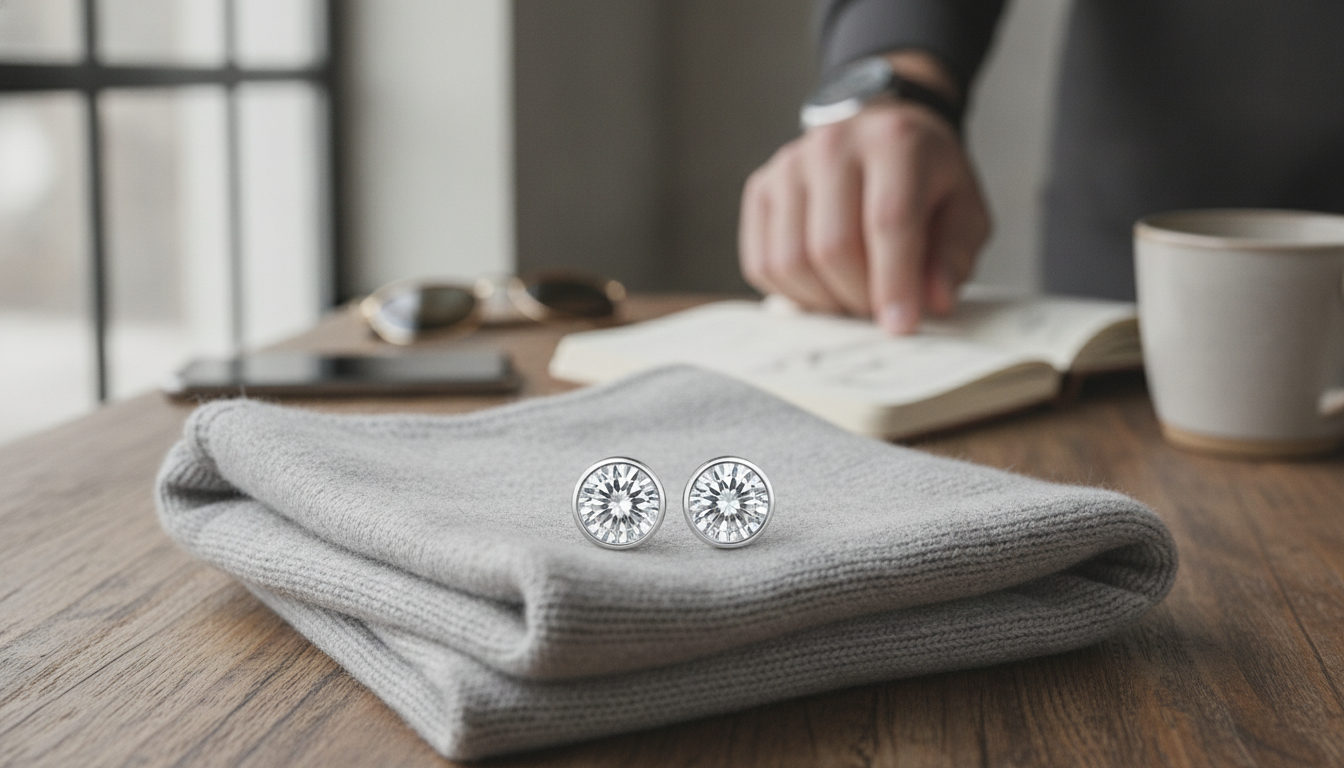
- Round Cross Moissanite Stud Earrings for a jewelry-focused gift.
- Kids Teepee Tent with Windows for a cozy play-space upgrade.
FAQ
Does a 3D wooden racing car puzzle kit need glue?
Many kits use interlocking joints and can be built without glue. Glue can be useful for reinforcing a loose connection or repairing a damaged piece, but it’s usually optional.
What age is a wooden 3D puzzle car suitable for?
It depends on the part size and complexity, but these kits are typically best for teens and adults. Younger builders may need supervision due to small pieces and tight-fitting assemblies.
Can the finished wooden car model be painted or stained?
Yes—light sanding helps finishes go on more evenly, and testing on a spare piece is a good idea. Apply thin coats and let everything fully dry before handling or placing it on display.








Leave a comment