500W Steam-and-Grind Baby Food Maker for Smooth Purees
500W Steam-and-Grind Baby Food Maker: What It Does and Why It’s Useful
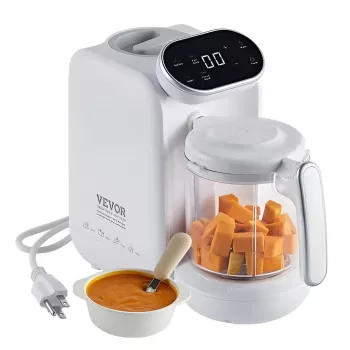
A steam-and-grind baby food maker is built to handle two of the most time-consuming steps in homemade baby food: gently cooking ingredients until they’re soft, then blending them into a texture that matches your child’s stage. With a 500W motor and stainless steel blades, this type of all-in-one unit is designed to move from steaming to pureeing with fewer transfers, fewer dishes, and more consistent results—whether you’re making a single serving for today or prepping a freezer stash for the week ahead. For more guidance, see From fruits to purees in minutes – one machine, endless baby meals ….
For parents who prefer to control ingredients (and avoid relying on pre-made pouches for every meal), a steamer-grinder helps keep the routine simple while supporting a gradual texture progression as babies grow.
What a Steam-and-Grind Baby Food Maker Does
Instead of juggling a pot, steamer basket, and countertop blender, a steam-and-grind machine combines the core steps in one workflow.
- Steaming softens food gently, helping ingredients retain moisture that’s useful during blending.
- Grinding/pureeing controls texture, from smooth early purees to thicker blends as readiness increases.
- Consistency improves because you’re steaming and blending in a repeatable way, with fewer variables.
- Less transferring means fewer chances for spills, less cleanup, and less heat loss before blending.
- Works for small batches or batch prep, depending on your routine and storage plan.
At-a-Glance Specs and Core Features
A 500W baby food maker is typically aimed at everyday ingredients—think fruits, vegetables, and other well-cooked foods—while keeping the footprint and process manageable for daily use. Stainless steel blades are a practical plus for repeated pureeing, especially when you’re chasing a smoother finish.
Quick details
| Feature | What it means for daily use |
|---|---|
| Power | 500W for steaming and pureeing common ingredients |
| Cooking method | Steam to soften foods while keeping moisture available for blending |
| Blending system | Stainless steel blades for smooth purees |
| Outputs | From thin purees to thicker blends depending on time and added liquid |
| Best-use ingredients | Fruits, vegetables, cooked grains/legumes, well-cooked meats (as advised by a pediatrician) |
If you’re shopping for a steamer-and-grinder format, see the 500W Baby Food Maker with Steamer, Grinder & Stainless Steel Blades for Puree for a streamlined option that’s focused on the steam-then-blend workflow.
How to Use It for Reliable, Smooth Purees
Great texture starts before you press any buttons. The goal is even steaming and thorough blending, with small adjustments that match your baby’s stage.
- Prep ingredients evenly. Wash produce, peel when needed, and cut into similar-sized pieces. Uneven pieces lead to uneven softness, which can leave little lumps behind.
- Steam first—until truly soft. For the smoothest early-stage puree, steam until pieces are easily pierced and almost fall apart. Under-steamed chunks are a common cause of “grainy” blends.
- Puree second in controlled bursts. Start with short bursts, scrape down if needed, then continue until the texture is uniform.
- Adjust thickness with safe liquids. Add small amounts of water to thin. If appropriate for your feeding plan, a bit of expressed breast milk or prepared formula can also help loosen a puree. Add gradually; it’s easier to thin than to thicken.
- Cool and store safely. Portion into clean containers promptly. Refrigerate for short-term use, or freeze for longer storage, following recognized food-safety guidance.
For food-safety basics around cooking, cooling, and avoiding cross-contamination, review guidance from the CDC and the FDA.
What to Make: Practical Puree Ideas by Ingredient Type
Rotating single-ingredient purees and simple combinations keeps prep efficient and helps babies experience more flavors over time.
Vegetables
- Carrot: Steam until very soft; puree and thin if needed.
- Sweet potato: Steams well and blends into a naturally creamy texture.
- Peas/green beans: Steam thoroughly; blend longer for a smoother finish.
Fruits
- Apple or pear: Steaming helps firm fruit blend more smoothly.
- Peach: Steam briefly if needed, then puree to a soft texture.
Protein (with guidance)
- Lentils/beans: Use well-cooked (soft) legumes and blend with a little cooking liquid for a spoonable texture.
- Meats: Cook thoroughly first, then blend with cooking liquid to reach a safe, smooth consistency. Follow pediatric guidance on timing and preparation.
Combination blends
- Pear + zucchini: Mild and easy to blend.
- Apple + carrot: A classic sweet-and-earthy mix.
- Peach + sweet potato: Naturally creamy and flavorful.
Texture progression should follow your child’s developmental readiness and professional guidance. The American Academy of Pediatrics overview on starting solids is a helpful reference: Starting Solid Foods (HealthyChildren.org).
Cleaning, Blade Care, and Everyday Safety Habits
Cleaning routines matter as much as recipes—especially when you’re preparing food for early feeding stages.
Time-Saving Batch Prep and Storage Routines
For a child-friendly addition to mealtime routines (like a cozy play corner while you prep), you can also browse the Kids Teepee Tent with Windows.
FAQ
Can a steamer-grinder make food smooth enough for early-stage purees?
Yes. Steam ingredients until very soft, then blend thoroughly; if needed, thin gradually with a small amount of appropriate liquid. Move to thicker textures only when your baby shows readiness and you’ve followed professional guidance.
Is it better to steam or boil ingredients for baby purees?
Steaming is commonly used because it softens foods with minimal water contact and keeps moisture available for blending. Either method can work as long as the food is cooked until very soft and handled safely.
How long can homemade baby puree be stored?
Storage times vary by food and method, so follow recognized food-safety guidance for refrigeration and freezing. Portion promptly, cool safely, and label containers with dates so older portions get used first.








Leave a comment