Eye of Horus Pendant Necklace: Meaning, Style & Care
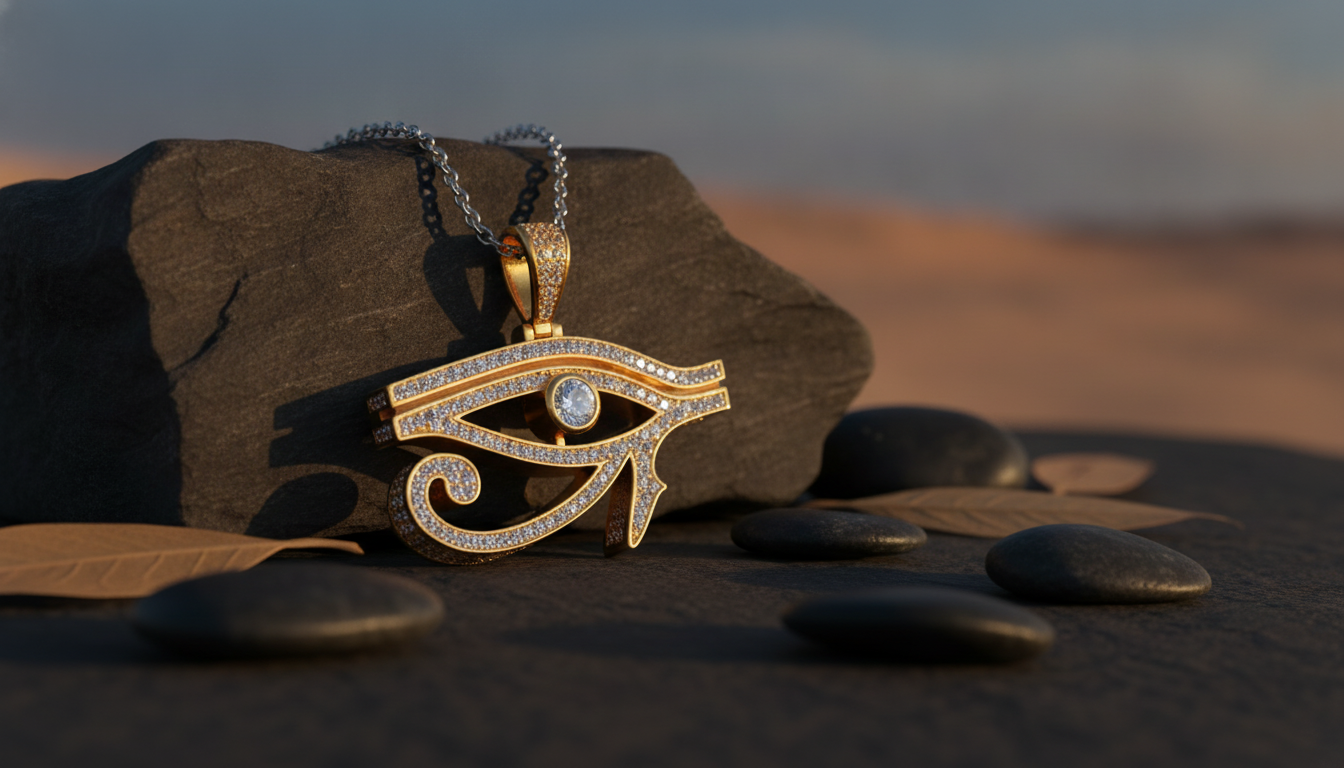
Eye of Horus Pendant Necklace for Men & Women: Meaning, Style, and Care
The Eye of Horus is a timeless symbol associated with protection, restoration, and clarity. Worn as jewelry, it blends ancient Egyptian iconography with modern personal style—equally fitting for everyday outfits or statement looks. This guide covers symbolism, styling ideas for men and women, material considerations, care tips, and gifting guidance. For more guidance, see 3Ct Round Cut Lab Created Diamond Heart Pendant ….
What the Eye of Horus Represents
In ancient Egyptian belief, the Eye of Horus (also called the Wedjat) is most often linked with protection—an emblem meant to guard against misfortune and harmful forces. It’s also connected to restoration and healing through the myth in which Horus’s eye is damaged and later made whole again, turning the symbol into a lasting reminder of recovery and renewal. For further reading, see Sterling Silver 925 Gold Italian Horn Necklace Women Girl ….
Today, many people wear the Eye of Horus as a personal emblem of resilience, awareness, and intention. Some connect it with spiritual protection, while others appreciate it as a historical motif with sharp, graphic lines that read clean and modern.
It’s commonly confused with the Eye of Ra. The symbols are related, but they differ in mythological associations and can vary in stylization. If the history matters to you, it’s worth taking a moment to learn the distinction from an authoritative source like Encyclopaedia Britannica’s Eye of Horus overview, and broader context on Ancient Egypt at The Met.
Design Details That Change the Look
Small design choices can shift an Eye of Horus necklace from subtle everyday jewelry to a bold statement piece.
- Pendant size: Small pendants feel minimal and understated; larger pendants read as more symbolic and attention-grabbing.
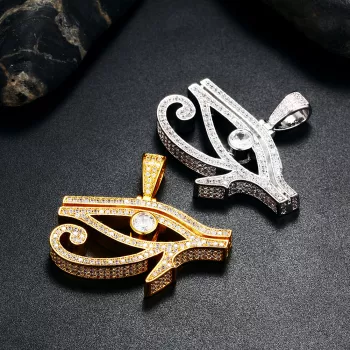
- Finish and color: Silver-toned pieces feel crisp and modern; gold-toned pieces feel classic and warm; blackened or oxidized finishes skew rugged and vintage.
- Engraving and relief: Etched lines emphasize the Eye’s iconic markings; raised relief adds depth and catches light from different angles.
- Chain style: A thin chain looks refined; a thicker chain feels more streetwear-leaning or rock-inspired; cord styles feel casual and earthy.
Quick Style Guide for Men & Women
An Eye of Horus pendant is versatile because it can live comfortably in minimalist outfits or become the main focal point.
- Everyday casual: Pair it with a plain tee, denim jacket, flannel, or sweater. Keep other jewelry minimal so the pendant reads clearly.
- Smart casual: Layer it under an open-collar shirt or blouse so the Eye sits at mid-chest. This keeps it polished while still personal.
- Layering: Combine it with one shorter chain (no pendant) to create a clean two-level look. Avoid stacking too many symbolic pendants at once to prevent visual clutter.
- Statement styling: Let the Eye of Horus be the centerpiece; choose understated rings, bracelets, or small studs.
- Skin tone pairing: Cooler silver tones often pop on cooler undertones; gold tones complement warmer undertones—though outfit color can matter more than undertone.
Styling ideas by neckline and chain length
| Outfit neckline | Suggested chain length | Overall effect |
|---|---|---|
| Crew neck / high neck | 18–22 in | Pendant sits above or at the collar line; neat and modern |
| Open collar / V-neck | 20–24 in | Balanced focal point at the chest; versatile daily wear |
| Hoodie / layered outerwear | 22–26 in | Pendant stays visible over thicker fabric; bolder streetwear look |
| Dress / blouse with deeper neckline | 18–20 in (short) or 22–24 in (mid) | Short looks elegant; mid length creates a relaxed, easy statement |
Materials, Skin Sensitivity, and Durability
Metal choice affects comfort, longevity, and how often you’ll need to polish. If skin is sensitive, look for materials that are typically gentler—like stainless steel or higher-purity precious metals—and avoid mystery alloys that can trigger irritation.
Plated finishes can look especially striking (bright gold or glossy black), but they usually need extra care. High-friction areas—where the pendant rubs against the chain, or where a necklace hits a desk edge—can show wear first.
For daily wear, remember that sweat, cologne/perfume, chlorine, and saltwater can dull finishes over time. If you’re active, prioritize a sturdier chain and a secure clasp, and consider taking the necklace off for workouts or water exposure to reduce tarnish and prevent accidental breakage.
How to Care for an Eye of Horus Necklace
Gifting Notes: Occasions and Personal Meaning
Featured Pieces to Shop
- Eye of Horus Pendant Necklace for Men & Women — a versatile unisex pendant that works as a standalone statement or the main charm in a simple layered stack.
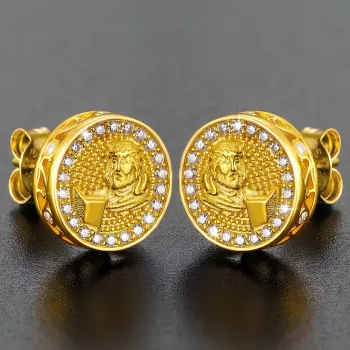
- Round Cross Moissanite Stud Earrings — a clean, light-catching option if you want subtle sparkle while keeping the necklace as the focal point.
FAQ
Is the Eye of Horus the same as the Eye of Ra?
No. They’re related Egyptian symbols, but they have different mythological associations and are often stylized differently; the Eye of Horus is commonly tied to healing and restoration, while the Eye of Ra is more associated with solar power and protective force.
What chain length looks best for an Eye of Horus pendant?
Most people find 18–24 inches the easiest range for daily wear. Shorter lengths (18–20 in) look neat and close to the collarbone, while 22–24 inches places the pendant mid-chest and layers well with a shorter chain.
How should an Eye of Horus necklace be cleaned without damaging the finish?
Wipe it after wearing with a soft, dry cloth, then use a gentle metal-appropriate cleaner as needed. Avoid harsh chemicals, abrasive polishing on plated finishes, and remove the necklace before water exposure or heavy sweating to reduce dulling and wear.






Leave a comment